Lithium Battery Recycling
Powering the Circular Economy of Energy Storage
Recovering critical minerals from end-of-life batteries to enable a sustainable, clean energy future.
What is Lithium Battery Recycling?
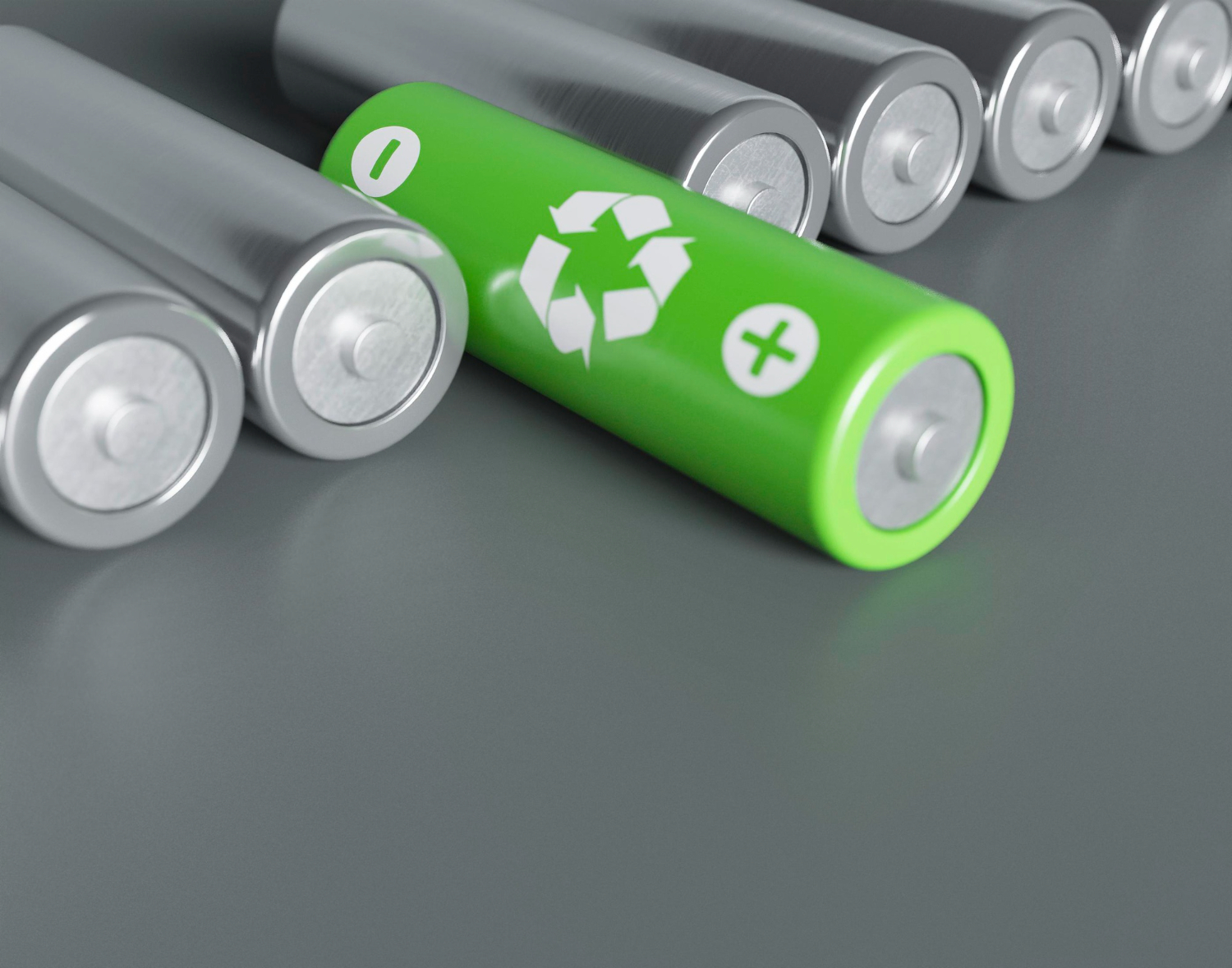
Lithium Battery Recycling is the process of collecting, dismantling, recovering, and reprocessing used lithium-ion batteries to extract valuable materials such as lithium, cobalt, nickel, manganese, graphite, copper, and aluminum for reuse in new batteries and industrial applications.
With the rapid growth of electric vehicles (EVs), consumer electronics, and energy storage systems, battery recycling has become a critical pillar of the global circular economy.
Key Sources of Lithium Battery Waste
Global Market Overview
The lithium battery recycling sector is among the fastest-growing industries globally due to EV adoption and raw material demand.
- Market Size (2025): ~USD 8–10 Billion
- Projected (2031): ~USD 30–35 Billion
- CAGR: ~20%–25%
- Asia-Pacific dominates market share
Key Global Drivers
- EV sales growth worldwide
- Critical mineral shortages
- Government recycling mandates
- Rising raw material prices
- Sustainability / ESG pressure
India Market Overview
India's battery recycling market is in an early but rapidly expanding stage, driven by EV growth and government battery waste regulations.
- Market Size (2025): ~USD 1–1.2 Billion
- Projected (2031): ~USD 4–5 Billion
- CAGR: ~22%–26%
India Growth Drivers
- EV adoption expansion
- Battery Waste Management Rules
- Domestic battery manufacturing growth
- Import dependency reduction strategy
$8–10B
Global Market (2025)
$1–1.2B
India Market (2025)
20–25%
Global CAGR
22–26%
India CAGR
Global Outlook (2026–2031)
- Battery waste volumes expected to grow 10x+ by 2030
- Gigafactory scrap recycling to rise sharply
- Closed-loop battery manufacturing becoming standard
- OEM partnerships with recyclers increasing rapidly
India Outlook (2026–2031)
- EV battery disposal wave starts significantly after 2027
- Major investments expected in recycling infrastructure
- India to emerge as regional recycling hub for South Asia
Companies (Global & India)
Global Market
- 300–500+ specialized battery recyclers worldwide
- Thousands more in battery waste collection/processing
India Market
- 50–100+ organized lithium battery recycling companies/startups
- Growing network of dismantlers, collectors, and processors
Recycling Technologies
Reduces hazardous waste pollution
Recovers critical minerals for reuse
Lowers import dependence
Supports EV sustainability
Enables circular manufacturing
Future Outlook
The next decade (2026–2036) will define lithium battery recycling globally:
- Massive EV battery retirement wave begins
- Recycling becomes mandatory worldwide
- Recycled content enters mainstream battery production
- Urban mining becomes a strategic raw material source
India is expected to become a key battery recycling and resource recovery destination.
Conclusion
Lithium Battery Recycling is becoming one of the most strategic sectors in the global clean energy and mobility ecosystem. As EV adoption and battery manufacturing rise, recycling will play a vital role in ensuring sustainable supply chains and reducing environmental impact.